Business Details
Working Class Movement Library in Salford
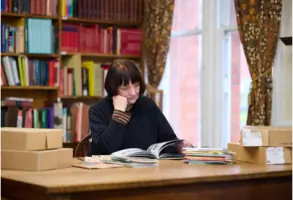
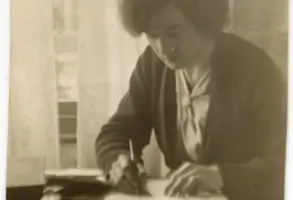
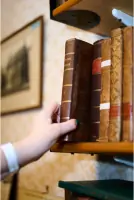
The Working Class Movement Library stands as a vital institution dedicated to preserving and providing access to over two centuries of working-class history. Founded in the 1950s by trade unionists Edmund and Ruth Frow, our collection began as a personal archive reflecting their activism and connections within the labour movement. Today, we house one of the most extensive collections of radical literature, periodicals, correspondence, and cultural artifacts spanning from the 1760s to contemporary movements. Our Grade II listed home in Salford, Jubilee House, serves as both a research facility and community hub. We offer curated tours, exhibitions, and educational programs to foster understanding of working-class struggles and achievements.Our team of staff, trustees, and over 30 volunteers ensure the collection remains accessible to researchers, students, and the public. Through partnerships with organisations like RECLAIM and the University of Manchester, we continue to expand our impact. The library supports academic research, community projects, and activist groups while maintaining rigorous collection development policies. Our Reading Room appointments system ensures proper care and access to fragile materials. As a registered charity (No. 1115731), we rely on memberships, donations, and trade union support to sustain our mission.
Services
Library Access
Archival Research
Educational Tours
Event Venue Hire
Volunteer Programs
Exhibition Access
Oral History Resources
Community Projects
Document Digitisation
Trade Union Archives
Highlights and features
- We offer access to one of the world's most comprehensive working-class history collections
- Our Reading Room provides specialist research facilities for academic and personal study
- We deliver educational programs connecting historical struggles to contemporary activism
- Our Grade II listed venue hosts accessible cultural events and exhibitions
- We maintain partnerships with leading heritage and community organisations
What people say
Extensive historical collection
Knowledgeable specialist staff
Valuable research facility
Engaging exhibitions
Community-focused programs
Services
Archival Research
Our Reading Room provides access to over 200 years of working-class history materials. Researchers can examine original documents, periodicals, and correspondence through our appointment system. Our specialist library assistants help locate specific items from our extensive catalogued collection.
Educational Tours
We offer curated tours exploring our permanent and temporary exhibitions. Groups can experience our historical artifacts, political banners, and rare publications. Tours connect past struggles to contemporary social justice movements through our collection's thematic displays.
Event Venue Hire
Our accessible annex space accommodates community events and meetings. The venue includes modern facilities while maintaining historical character. Ideal for activist groups, heritage projects, and educational workshops focused on social change.
Volunteer Programs
Over 30 volunteers contribute to our operations through collection management and visitor support. Our programs offer skills development in archive work, exhibition curation, and community outreach for those interested in radical history.
Exhibition Access
Our galleries showcase rotating exhibitions from our vast collection. Current displays feature materials from the Grunwick Strike and Big Flame movement. The exhibitions combine historical artifacts with contemporary interpretations of working-class activism.
People
Edmund Frow
Co-Founder
Co-founder with Ruth Frow in the 1950s, Edmund was an engineer and trade unionist whose personal collection formed the library's foundation. His activism shaped the collection's focus on working-class movements.
Ruth Frow
Co-Founder
Co-founder with Edmund Frow, Ruth was a teacher and activist whose collection of radical literature formed the library's core. Their Manchester home became a hub for trade unionists and activists in the 1950s-70s.
Questions
What historical periods does the collection cover?
Our collection spans from the 1760s to present day, covering key movements like Chartism, suffrage campaigns, trade union struggles, and contemporary activism.
How can I access the library's archives?
Access requires booking a Reading Room appointment at least three working days in advance through our online form with specific material details.
Are there educational resources for students?
We offer tailored visits for student groups, with access to primary sources on social movements and political history through guided sessions.
Can I hire the venue for events?
Our accessible annex space accommodates meetings and events, featuring modern facilities while maintaining historical character for community use.
How is the library funded?
As a registered charity, we rely on memberships, donations, trade union support, and grants to maintain our collection and public programs.
What volunteer opportunities exist?
Over 30 volunteers help with collection management, exhibitions, and community projects. Opportunities include archive work, event support, and skills development programs.